
A Family Legacy, a Disputed Will, and Questions of Mental Capacity: A Look into the Case of Texas Representative Curtis Graves

Gizelle Bryant, star of The Real Housewives of Potomac, is currently at the center of a legal battle that combines family drama, a legacy of civil rights, and complex probate law. The dispute involves her late father, Curtis Graves, who was more than a typical father—he was a groundbreaking public figure. Graves made history as one of the first Black members of the Texas House of Representatives, where he served from 1967 to 1973. He was also a tireless civil rights advocate, working alongside the Rev. Dr. Martin Luther King, Jr., during the height of the civil rights movement. Later in his career, he worked at NASA in Washington, D.C., championing equal employment opportunities and public affairs.
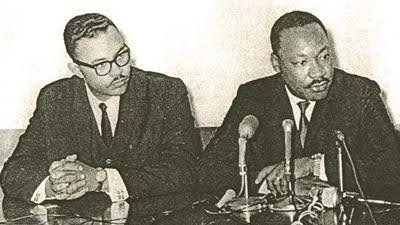 Graves passed away on July 26, 2023, at the age of 84 after battling brain cancer. Although he spent his final years in Tucker, Georgia, his legacy remained closely tied to Texas, where he had served in office and made his mark in the world of politics and civil rights.
The controversy began with a will signed just two days after Graves underwent major brain surgery. This will allegedly excluded Gizelle and her three daughters from inheriting anything. Gizelle claims her father lacked the mental capacity to sign the will at the time, suggesting it was signed under undue influence. As she explained, “Two days after his brain surgery, someone around him had a will signed, supposedly by him. And I was with him, actually. He was not able to sign anything, read anything—none of that.” This painful family dispute brings up serious legal questions about mental capacity and undue influence in will contests under Texas law.
What is Testamentary Capacity?
In Texas, for a will to be valid, the person creating it (known as the “testator”) must have what is called “testamentary capacity.” Simply put, this means the testator must be of “sound mind” when signing the document. To have testamentary capacity, the testator must:
- Know they are making a will.
- Understand what the will does (i.e., who gets what).
- Be aware of the general nature and value of their property.
- Recognize the people who would naturally inherit from them (their family or close friends).
Now, testamentary capacity doesn’t require perfect mental health. Even individuals with conditions like dementia or those recovering from surgery may have the capacity to create a valid will during periods when they are mentally clear. However, mental capacity can vary, especially for those battling serious conditions like brain cancer.
In Graves’ case, if he signed the will shortly after surgery or while dealing with the effects of brain cancer, his mental state at that time could be a key issue. Testimonies from medical professionals and witnesses who were present when the will was signed would be important for assessing whether he had the mental clarity required to sign a valid will.
What Does Lack of Capacity Look Like?
Someone is considered to lack testamentary capacity if they:
- Fail to recognize close family members.
- Are confused about their property or finances.
- Display delusions or paranoia.
- Struggle to communicate coherent thoughts or decisions.
- Lack an understanding of the content of the documents they are signing.
In cases where someone has recently undergone major surgery or treatments like chemotherapy—especially as in Graves’ case—mental clarity is often compromised. If a will was signed during a time when the testator lacked full mental capacity, Texas courts may determine the will is invalid. When contesting a will, medical records, expert testimony, and the timing of the will’s signing can all play a major role in proving lack of capacity.
What is Undue Influence?
Undue influence happens when someone manipulates or pressures the person making the will (the testator) to change their wishes for personal gain. This often involves taking advantage of the testator’s illness, isolating them from family, or coercing them into making decisions they wouldn’t otherwise have made. In Texas, proving undue influence requires showing that this manipulation overpowered the testator’s free will—not just that the influencer had a close relationship or was present during the will signing.
Texas courts look at a few key factors when determining undue influence:
- Was the testator physically or mentally weakened?
- Did the influencer have control over the testator?
- Was the new will drastically different from previous versions?
- Did the influencer benefit more than others, especially at the expense of the testator’s family?
In Graves’ case, if a new beneficiary was named while his daughter, Gizelle, and her children were excluded, especially while Graves was ill, these circumstances could strongly suggest undue influence. Gizelle has expressed the emotional toll of this situation, sharing, “In the will that’s fraudulent, we get nothing. It’s as if you guys don’t exist either. It’s all very painful…”(1)
Her statements make it clear that her father would not have intended to cut her or his grandchildren out of his estate, raising serious questions about undue influence.
Disinheriting Family Members: A Red Flag?
In Texas, there’s no legal requirement when estate planning to leave anything to children or grandchildren. However, when a parent suddenly disinherits close family members in favor of someone else, especially during an illness—it can be suspicious. Courts will typically look for signs such as:
- A drastic change in the will.
- The testator being isolated from family.
- The influencer being present during the will’s creation and signing.
- The presence of prior wills that were very different from the new one.
If Curtis Graves had consistently expressed a desire for his children and grandchildren to inherit, but the revised will suddenly cut them out, it would be a serious red flag.
What Should You Do if You Suspect Undue Influence or Lack of Capacity?
If you find yourself in a situation like Gizelle’s—where a loved one’s will was changed under questionable circumstances—don’t ignore the warning signs. Acting quickly is important, as Texas law allows you to contest a will within two years of its probate. Strong evidence is key, so start by gathering:
- Medical records showing the testator’s condition
- Previous versions of the will to spot any major changes
- Statements from witnesses who were there when the will was signed
- Communications that show any manipulation or isolation of the testator
It’s a good idea to consult a probate attorney who specializes in these types of cases to help you gain access to documentation, navigate the legal process, and protect your family’s interests.
Need Help with a Will Contest? Act Quickly to Protect Your Family’s Legacy
Contesting a will can be a stressful and emotional process, especially when it involves protecting a family legacy. Curtis Graves was a trailblazer who spent his life fighting for justice, and now, his family is fighting to ensure his true intentions are respected.
1) See Caitlin Schunn, Gizelle Bryant Is Contesting Her Late Father Curtis Graves’ Will, Bravo (Dec. 3, 2024), https://www.bravotv.com/the-daily-dish/gizelle-bryant-fighting-dad-curtis-graves-will-why
Contact our team at Hensley & Krueger, PLLC today if you suspect a will was created or altered under questionable circumstances. It’s important to act quickly to protect your loved one’s legacy. Your loved one’s wishes matter and standing up for what’s right can help ensure their legacy lives on for generations to come.
We proudly serve Houston & all throughout Texas.
Hensley & Krueger, PLLC
5615 Kirby Dr Suite 720,
Houston, TX 77005, United States
Phone: (713) 850 9700
Our firm is located near you. We have an office in Houston.
Find us with our GeoCoordinates: 29.722090938865474, -95.41771629072745


Request A Consultation
Field Marks With An “*” Are Required
© 2026 Hensley & Krueger, PLLC • All Rights Reserved.
