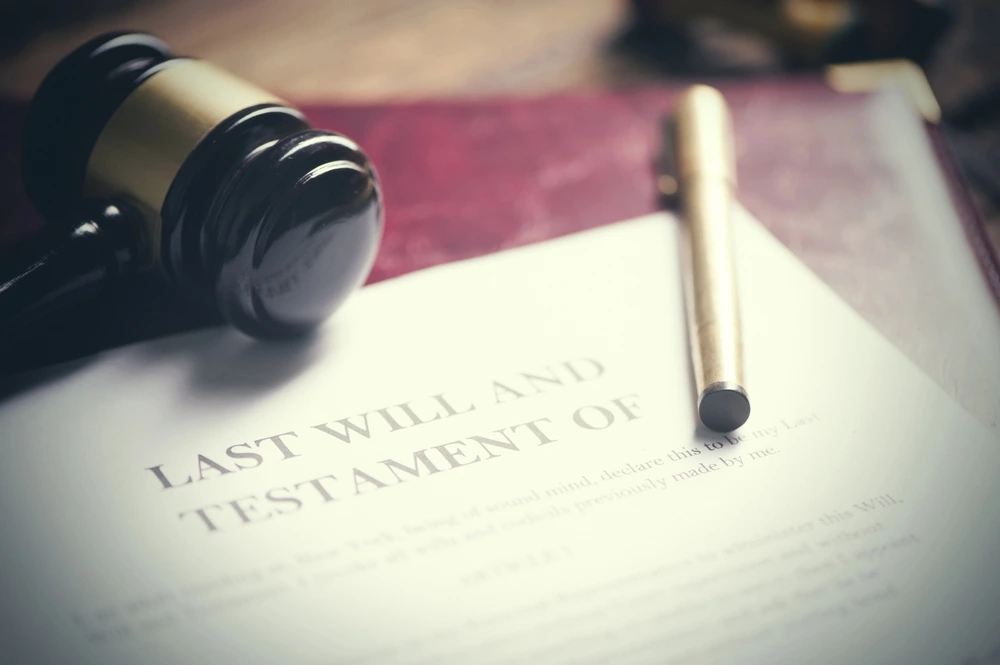
When someone passes away, their estate, which is everything they owned, needs to be sorted out. This usually happens through probate, which is a court-supervised process that ensures debts are paid, assets are distributed, and the deceased’s wishes are honored. Whether there’s a will or not, probate can be either straightforward and simple or complex and expensive, depending on the estate’s size, the disputes brought against it, and many other factors. A Houston, TX probate lawyer can help you set up your estate to ensure that probate goes smoothly for your heirs and help you with probate if you’re already in the midst of it.
How Does the Probate Process Work After a Loved One’s Death?
Filing the Will and Starting Probate
If the person who passed away (who is known as the
decedent) left a will, the first step is to file the will with the probate court in the county where the decedent lived at the time of their death. You’ll also need to submit an application to have the will admitted to probate and to be appointed as the executor. The executor is the person responsible for managing the estate.
You’ll submit the original will to the court, and the court clerk will then post a public notice at the courthouse to let people know the will has been filed. This notice stays up for at least 10 days so that anyone who wants to challenge the will has a chance to step forward. Challenges might come from someone who believes the will isn’t valid, and someone can contest a will during this initial period or even up to two years after the will is admitted to probate.
Once the notice period passes without a challenge, the court moves forward to verify the will’s validity. If the will is clear and properly executed (which means it’s been signed and witnessed according to Texas law), the process continues to the next step.
When There’s No Will
If someone dies without a will, which is known as dying intestate, the probate process still happens, but the court takes a more active role. The judge will appoint an administrator, who is often an attorney or a family member, to handle the estate. The administrator has the same responsibilities as an executor. Texas law will then determine who inherits the estate, and the details here will depend on whether the decedent was married and had children. If the decedent was married with children, the surviving spouse might get half the community property, with the other half split among the children. If there’s no spouse or children, the estate might go to parents, siblings, or other relatives.
The court will also hold a hearing to determine the decedent’s heirs. This process is called the Determination of Heirship, and it adds a lot of time to the whole process. It’s always best to make a will and get your affairs in order so you can spare your loved ones the difficulty and expense of intestate probate.
The Probate Hearing
At this hearing, a probate judge reviews the case to confirm a few key details. You’ll need to provide proof, like a death certificate, that shows the date and fact of the decedent’s death. Then, the judge will check that the will was signed and witnessed correctly and is thus valid. The court will also consider your suitability as executor, meaning the judge needs to verify that you’re legally capable, so not a minor or incapacitated, and don’t have conflicts that would prevent you from acting in the estate’s best interest.
During the hearing, you’ll swear an oath to carry out your duties as executor faithfully, and this means you’re agreeing to manage the estate honestly and in the best interest of the beneficiaries. If everything checks out, the judge will admit the will to probate and appoint you as the executor. You’ll receive letters testamentary, which is a legal document that proves you have the authority to act on behalf of the estate. You’ll need this for any task like accessing bank accounts or selling property.
Inventory and Managing the Estate
Once you’re appointed executor, the real work begins. Within 90 days of that initial hearing, you’re required to submit an inventory of all the estate’s assets, an appraisement of the worth of those assets, and a list of claims against the estate to the court. You’ll also inform the people named in the will about their inheritance.
Texas law requires you to publish a notice to creditors, which is usually done in a local newspaper, giving them a chance to file claims against the estate for any debts the decedent owed. Creditors typically have four months from the notice to submit claims. If there’s a known creditor, you’ll need to inform them directly. Using the estate’s assets, you’ll then settle all valid debts. If the estate doesn’t have enough money to cover everything, Texas law prioritizes certain debts (like funeral expenses) over others.
You’ll also need to file the decedent’s final federal income tax return and, if the estate is large enough, an estate tax return. Taxes take priority over all debts. Once debts and taxes are dealt with, you’ll manage the remaining assets. This might involve selling property, like a house or car, to cover debts or prepare for distribution. Many executors work with a probate attorney to ensure everything is handled correctly and on time because this process can be very overwhelming if you’ve never done it before.
Handling Disputes
Disputes are not uncommon, and the executor is tasked with defending the estate against disputes as necessary. Someone might challenge the will’s validity, for example, claiming it was signed under duress or that the decedent wasn’t mentally competent. Beneficiaries might disagree on how much a piece of property is worth, or a creditor might file a claim you believe is invalid.
Beneficiaries might even feel you’re not fulfilling your duties as executor. As an executor, you’re a fiduciary, meaning you’re legally obligated to act in the best interest of the estate and its beneficiaries, not yourself. If someone thinks you’re not doing this, they might file a claim for breach of fiduciary duty. Many of these disputes are resolved through mediation, but if mediation fails, the issue might go before the probate judge.
Distributing the Estate
Once all debts, taxes, and disputes are settled, you can distribute the remaining assets to the beneficiaries as outlined in the will. This is the final step of probate.
However, not all assets go through probate. Some pass directly to beneficiaries without court involvement, including joint accounts with rights of survivorship, retirement accounts or life insurance with named beneficiaries, property in a trust, and real estate with transfer-on-death deeds.
Once everything is distributed, you’ll file a final report with the court, and the probate process is complete. In straightforward cases, this can take six months to a year. Complex estates or disputes can stretch it out longer, and it can easily take years.
Contact a Houston, TX Probate Lawyer