
What Legal Issues Should I Consider When Developing Commercial Property?
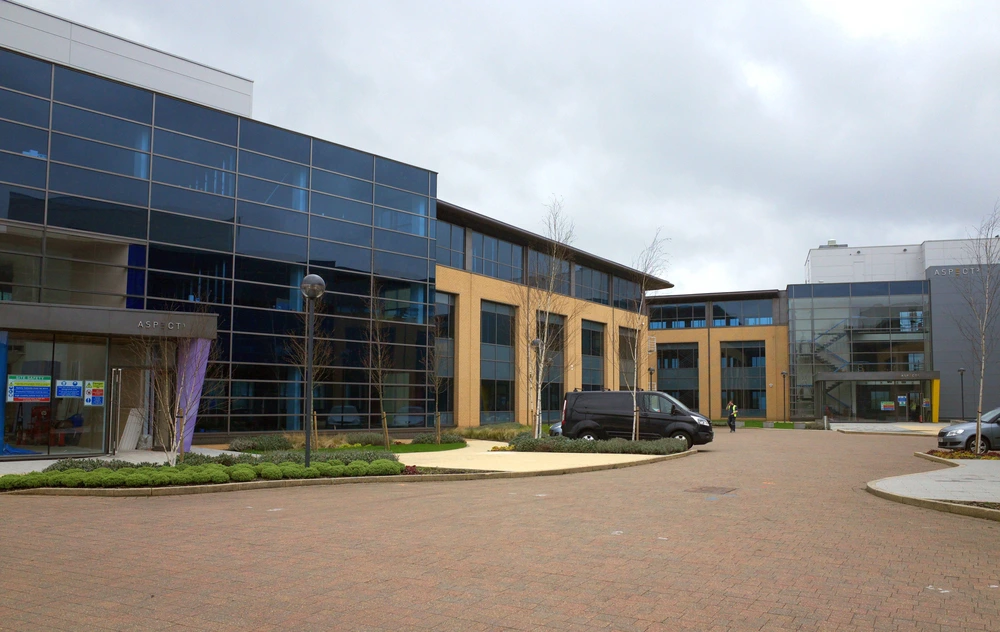
Texas provides an excellent environment for property development, especially when it comes to developing commercial property. However, in a situation where the financial investments are significant and the legal considerations are complicated, the stakes are high. With a specialist commercial real estate attorney in Houston, like those on our team at Hensley & Krueger, PLLC, in Houston, TX, you can move through the process no matter what challenges arise.
What Legal Issues Should I Consider When Developing Commercial Property in Texas?
Land Use Regulations
As a property developer, you are probably used to the idea of zoning; laws established by local government that regulate how land can be used. Houston, unlike the majority of cities, does not have traditional zoning laws. Instead, commercial property development is regulated through a mix of land use restrictions, deed restrictions, and development codes.
Houston’s Department of Planning and Development enforces ordinances on setbacks, buffering, historical preservation, lot size, and building codes to ensure orderly growth. Additionally, neighborhoods and individual property owners can impose private deed restrictions that may limit certain types of commercial development in specific areas.
Whereas in other cities, you would need to make sure that the intended land use aligns with the zoning classification before buying, in Houston you need to see what ordinances and private covenants you may run in to when acquiring land for development. The uncodified nature of these covenants especially can mean that conditions are even stricter when it comes to developing property in Houston.
Comprehensive Plans
Many Texas cities have comprehensive plans that outline long-term goals for land use and development. You should review these plans to ensure their projects align with the city’s vision and avoid potential conflicts.
Permits and Approvals
Building Permits
Obtaining the necessary building permits is a critical step in the development process. These permits ensure that construction complies with local building codes, safety standards, and other regulations. Working with licensed architects and contractors familiar with Texas building codes can help streamline the permitting process.
Site Development Permits
In addition to building permits, you will need site development permits that address issues such as drainage, grading, and utility connections. Requirements for these permits vary by jurisdiction, and failure to obtain them can result in costly delays or penalties.
Environmental Permits
Depending on the nature and location of your project, you may need environmental permits from state or federal agencies. For example, if your planned development impacts wetlands, waterways, or endangered species, you may have to seek permission from the Texas Commission on Environmental Quality (TCEQ) or the U.S. Environmental Protection Agency (EPA).
Environmental Compliance
Environmental Site Assessments (ESAs)
You must conduct an Environmental Site Assessment (ESA) in order to identify any potential environmental liabilities. Phase I ESAs assess historical uses of the property and potential contamination risks, while Phase II ESAs involve soil and water testing if contamination is suspected. If you discover there to be any contamination of the site, you may have to undertake remediation efforts before you are able to proceed with construction. Texas’s Voluntary Cleanup Program (VCP) offers a pathway for developers to address contamination issues while limiting future liability.
Stormwater Management
Texas law requires developers to implement stormwater management plans to prevent runoff from polluting local waterways. Compliance with the Clean Water Act and state-level regulations is mandatory, and you are likely to need a stormwater permit.
Contracts and Agreements
Purchase Agreements
When acquiring land, you need the purchase agreement to outline the terms of the sale clearly, including contingencies related to land use, permitting, and environmental assessments. This is one of the areas in which a real estate attorney can help to protect your interests by drafting or reviewing the agreement.
Construction Contracts
Construction contracts govern the relationship between developers and contractors. These agreements need to address scope of work, timelines, payment terms, warranties, and dispute resolution mechanisms. Making sure that you have clear and detailed contracts can minimize conflicts and legal disputes during the construction phase.
Leasing Agreements
If the commercial property will be leased to tenants, developers must draft lease agreements that address terms such as rent, maintenance responsibilities, and compliance with local regulations. Texas law provides significant flexibility in commercial leases, but careful drafting is essential to avoid ambiguities.
Financing and Tax Considerations
Financing
It is usual for developers to finance commercial projects via loans and investments. It is important to have a lawyer look over any loan agreements to make sure that the terms are favorable, and that you are fully aware of the implications of any personal guaranteed or covenants required by lenders.
Tax Incentives
Texas offers various tax incentives to encourage commercial development, including property tax abatements, sales tax exemptions on construction materials, and participation in Tax Increment Financing (TIF) districts. You may be able to reduce costs and enhance project viability if you explore these opportunities.
Property Taxes
Texas is a state that levies no income tax, but it does impose relatively high property taxes. You should be sure to assess the property tax burden—which can significantly impact a project’s profitability—and consider strategies to mitigate costs, such as appealing property valuations or negotiating abatements.
Texas-Specific Legal Considerations
The “Right to Farm” Law
In rural areas, Texas’s “Right to Farm” law protects existing agricultural operations from nuisance claims by new commercial developments. This can have an impact when you are planning a new project near farmland.
Mineral Rights
In Texas, mineral rights are often severed from surface rights. You should verify whether the property’s mineral rights are included in the purchase and assess the potential impact of mineral extraction activities on the development.
Adverse Possession
Texas law recognizes adverse possession, which allows individuals to claim ownership of land under certain conditions. Make sure you hold a clear title to the property and address any potential adverse possession claims before proceeding with development.
The Americans with Disabilities Act (ADA)
The Americans with Disabilities Act (ADA) requires commercial properties to be accessible to individuals with disabilities. You will need to keep in mind that your architectural designs must comply with ADA standards, including provisions for ramps, elevators, parking spaces, and restroom facilities. Not only is it in the best interests of your business to make sure your property is widely accessible, but noncompliance can result in legal penalties and costly retrofitting.
Eminent Domain and Condemnation Issues
Eminent domain allows government entities to acquire private property for public use, such as roads or utility projects. It is important to be aware of the risk of eminent domain proceedings and understand your rights, including the right to fair compensation.
Consult a Commercial Real Estate Attorney in Houston
Developing commercial real estate can throw up a host of legal issues. Developers must ensure compliance with local, state, and federal regulations, and also address any concerns related to land use regulations, contracts, environmental impact, and financing. With an experienced lawyer on board, you can rest assured that you will not be blindsided by the sudden emergence of any legal troubles, and that your interests are protected in all your dealings.
The life of a commercial property developer is a busy one, and we know that legal issues make up just one small part of all the things you have to keep in mind. To find out how we can help keep minor issues off your plate, and you ahead of the game, get in touch with us at Hensley & Krueger, PLLC, in Houston, TX.


Request A Consultation
Field Marks With An “*” Are Required
© 2026 Hensley & Krueger, PLLC • All Rights Reserved.
