
Is a Handwritten Will Valid in Texas?
We often put off thinking about what will happen after our deaths, but sometimes situations mean that we have to act quickly. If you are injured or have to undergo surgery unexpectedly, you may have to make plans suddenly or even write a will. In such a situation, you may not have the opportunity to make an appointment with a Houston wills attorney, like those on our team at Hensley & Krueger, PLLC, in Houston, TX.
Is a Handwritten Will Valid in Texas?
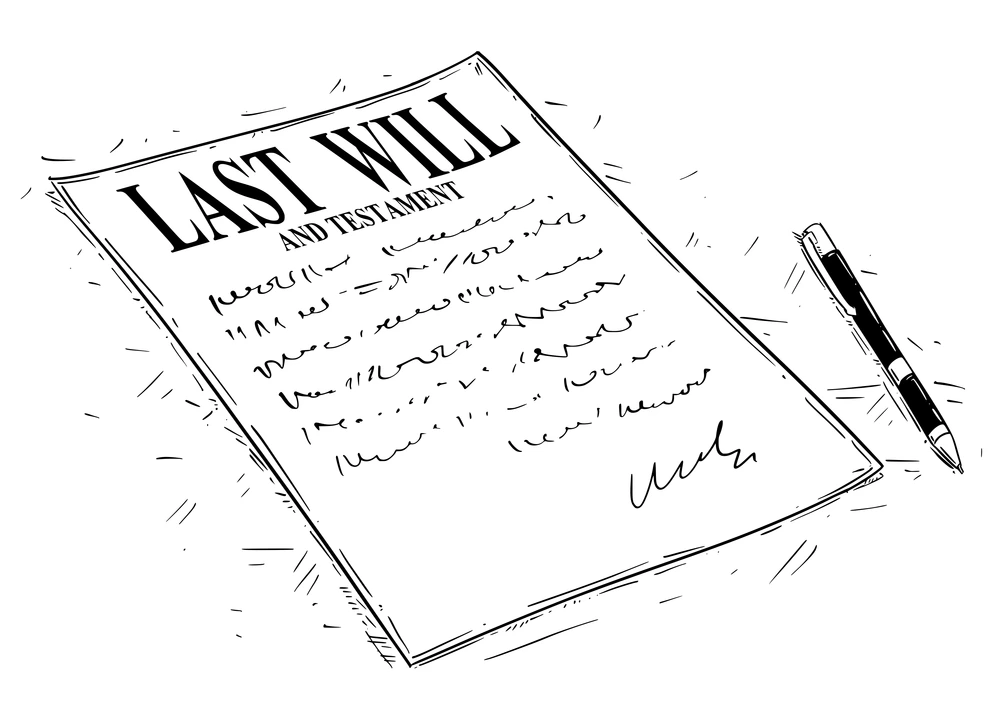
The short answer to this question is yes: Texas recognizes handwritten, also known as “holographic,” wills as legally valid as long as they meet certain requirements. According to Texas Estates Code § 251.052, for a holographic will to be valid it must:
- Be entirely in your own handwriting
- Express how you want your estate to be distributed upon your death
- Be signed by you
A handwritten will does not need to be witnessed by others or notarized by an attorney, meaning that it can be created quickly and without the need for anyone else to be there. It is a viable option in emergency situations, such as when you do not have time to draft a formal will, and may also work for those with very simple estates. However, for those with significant assets, minor children, or complex family situations, a professionally drafted will is the safer choice, as a handwritten will is not without its risks.
Potential Risks of a Handwritten Will
While a handwritten will may seem like a simple and cost-effective option, there more issues involved than with a conventional will:
Legibility Issues
The document must be entirely in your own handwriting, or it is not valid. If your handwriting is difficult to read, there could be confusion about what you have written. This lack of clarity on what your wishes are may lead to delays and to disputes among your heirs.
Ambiguity and Errors
Holographic wills are often written in a hurry and without legal guidance. This means that important details are often left out—it is difficult to remember everything in an emergency situation—and the language of the will may be unclear. This can cause uncertainty about how your assets should be distributed.
Challenges in Probate Court
Even though Texas allows holographic wills, your heirs may still need to prove its authenticity in probate court. Proving the authenticity of a handwritten will can be more complicated than doing so for a conventional will which has been signed by witnesses. This can lead to delays and additional legal costs.
Unintentional Revocation
If you write another will later or make significant changes without properly revoking the old one, disputes may arise over which will document properly represents your wishes and is legally binding. This can lead to delays, additional court costs, and bad feeling between your heirs, especially if your wills differ significantly.
Typed and Notarized Wills
The other kind of will recognized by Texas is the typewritten will, which is subject to different requirements. Unlike a handwritten will, a typed will must be signed in the presence of at least two witnesses, who also sign the document. While this adds an extra layer of formalization, it can reduce the risk of disputes and challenges in court.
Another option is to have your will notarized as a self-proving will. A self-proving will includes a notarized affidavit signed by you and your witnesses, which makes it easier to validate in probate court. This can help your loved ones avoid unnecessary legal hurdles after your passing.
What Else Do You Need to Do in Your Will?
Designate an Executor
An executor is the person responsible for carrying out the instructions in your will. In Texas, you can name an executor in your will, and the court will typically honor your choice unless there is a valid reason not to. The executor can be anyone who is at least 18 years old, of sound mind, and with no felony convictions. Unlike the witnesses to a will, who may not benefit from it, your executor can be (and often is) a person who is named in the will, such as a spouse or another close family member.
Address any Debts and Taxes
Your will should specify how any outstanding debts and taxes you have will be paid. If these matters are not addressed, they could impact the distribution of your assets.
Create a Guardianship for Minor Children
If you have minor children, your will should designate a guardian to care for them in the event of your passing. Without this designation, the court will decide who will assume guardianship, and this may not be in line with what you would have wanted.
Update It When Things Change
Life circumstances change, and your will should reflect those changes. Marriage, divorce, the birth of children, and acquiring new assets are all reasons to update your will. If you do not update your will, it may be subject to challenges after your death, as your descendants may argue that it does not accurately reflect your wishes.
Avoid Common Mistakes
Some common mistakes when drafting a will include failing to include all of your assets, not naming contingent beneficiaries, and using vague language.
What Happens If You Die Without a Will?
If you pass away without a will (known as dying intestate), Texas law will determine how your assets are distributed. This typically means that your closest relatives will inherit according to a predetermined formula. Though the formula may work for some people, it may not work for your own circumstances. If you want to make sure that your assets and property are distributed in a way that reflects your actual wishes, you will need to make sure that you have a valid will.
How a Houston Wills Attorney Can Help
If you’re not a lawyer, it’s unlikely that drafting a will is something that you have most experience with. Trying to create a complicated legal document that accurately and clearly sets out your wishes for all your property and assets can be a stressful process, and it’s easy to make mistakes. That’s why it’s a good idea to consult a lawyer. We work with clients wishing to make their wills all the time and know how to make sure that all your assets are accounted for and all your wishes are set out clearly. This can give you peace of mind knowing that your will is valid and legally binding and that everything is taken care of.
A handwritten will can be valid in Texas, and this can prove useful in extremis, especially if you do not want your estate to be distributed according to the standard formula used for those who die intestate. However, we would strongly recommend that if you have time, you consult a professional in order to make sure that your will is clear to avoid any delays in probate, and iron-clad to avoid any challenges to its validity. If you are considering how you want to leave your estate, or have any questions about your existing will, get in touch with us at Hensley & Krueger, PLLC, in Houston, TX, to book a consultation.


Request A Consultation
Field Marks With An “*” Are Required
© 2026 Hensley & Krueger, PLLC • All Rights Reserved.
